Before we get started, watch this video to familiarize yourself with some common terminology.
Think of social media as a giant party, get together, or some sort of social gathering. When you attend these types of events, there are always groups of people scattered around the area talking about different things. Each of those groups of people are clumped together due to their similar interests, and are like-minded individuals.
When you approach one of the groups of people, it is considered rude to begin talking about yourself, explaining what you do, what you sell, your favorite color, what you did the night before, etc. You wouldn’t do that, would you? Instead, you would approach the group, listen, and wait for a good time to interject with your thoughts, and provide value to the conversation (now that you have a better understanding of what they are talking about). The conversation will continue, as will your insights and thoughts about the subject. Eventually, someone will ask you “So, what do you do?” That is your key to begin your sales process.
You can almost mirror this behavior in social media networks. Social Media is not a magical tool that allows you do all sorts of things that you couldn’t do before. It just allows you to do the things people have been doing for thousands of years, except online rather than in person. Let’s start with the first (and most used) social media networks.
DSM Solutions – What is social media?
Facebook offers exceptional, low cost marketing opportunities for small business. Facebook now has over 600 million users (that’s a big party!) Facebook offers a very powerful platform on which to build a presence. If you’re not already active on Facebook; you should get started right away. At the very least, create a personal page. Invite some of your close contacts.
Start by searching some topics that relate to your business. Get involved in the conversation, just as if you were at a party. Ask questions, provide your thoughts, suggestions, references, etc. You can even use your blog or website to refer readers to more information. But, DO NOT TRY TO SELL ANYTHING. The internet is a great tool for research, and many users rely on searching for products and businesses to help their decision making. But, this trend turns people into experienced users who can tell at an instance that someone is trying to sell them something. Not to mention all of the lies and scams going on, it is hard not to be cynical of the information that’s out there. Go ahead and try it. Research a product and see how many links or websites you avoid because you think they are trying to sell you something.
Back to the point – DO NOT try to sell them anything. You want to build and grow a relationship with your customers first. Do that by interacting with them, engaging in conversations and BUILD TRUST. Talk about things that interests your readers. Once you have made connections with these people, direct them to your Business Page, and ask that they “like” it. Those who have liked your page will see things you post from that page. Use the page to drive conversations about relative topics (relative to your business or product). Remember, your page is not the only page that your users are receiving posts from. You are now competing for screen space. Your competition – all of the page owners whos followers are also your followers. You have to keep your followers interested or else your content will get buried by other content posted from your competitors.
People are slowly moving away from trusting big businesses and media, and focusing on REAL LIFE recommendations made by real people. The average person has 100-200 Facebook friends. That means if one of your followers engages with you in a posting, 100-200 other people will that that. If 5 of your followers engage in a posting, 500-1,000 people will see it. Those who see that were friends have “liked” your page are more likely to“like” your page because they see that their friends trust your page. After you have built your following, you can begin promotions, sweepstakes, advertisements and other activities. These are the most effective ways of competing with other pages. But beware, too many ads or promotions will cause your following to diminish. Nobody likes to be spammed; we already dealt with spam when email was introduced (and it is STILL an annoying problem, and has ruined much of the success of email marketing). A good rule of thumb is 4 out of 5 posting should NOT be selling anything, but rather informing or relating to the followers in some way (jokes, pictures, comics, videos, articles, etc).
Basic Strategy:
If you haven’t signed up for Facebook yet, you absolutely should as soon as possible. Once you’ve signed up, you should also consider securing your company’s username and reading about Facebook privacy and security. Be aware, however, that if you reserve your company name for your personal account, you won’t be able to use it for your Business Fan Page (more on those in the Advanced Strategy), so you may want to create a Page before registering your company’s name. Fan Pages have special rules regarding usernames, which you can read here.
You should do one other thing: search for your competitors and evaluate their Facebook presence:
- What types of Pages have they built?
- How many fans or “friends” do they have?
- What sort of promotions are they running?
Spend 15 minutes (per competitor) looking at their posts, photos and/or videos to understand how they’re using Facebook. See if you can analyze what your competitors are doing, and if it has been successful or not.
Advanced Strategy:
You may already have a personal Facebook account, but how do you extend that presence for your business? You have several options. A Business Fan Page lets you create a page where customers or fans of your business can register as a “fan” — expanding the presence of your business (because your updates will also flow to their pages). You might also want to consider running hyper-local ads on Facebook. Every time a follower interacts with a posting from your business page, it shows up on that follower’s page, which is then shown to their friends. The average Facebook user has 100-200 friends.
Watch this video: The Top 5 Facebook Marketing Mistakes
Twitter has grown tremendously over the past year. For some small businesses, it offers an incredible marketing platform. BusinessWeek’s recent profile of 20 ways businesses use Twitter might give you some ideas about how you can leverage Twitter for your business.
Basic Strategy:
If you haven’t signed up on Twitter yet, you should sign up today and reserve an account in the name of your business. While you might ultimately tweet in your own name, you’ll want to have the option to tweet from a business account. More importantly, you don’t want your competitors to register your business name. Twitter names are like domain names – once they are taken, nobody else can have that name. Donald Trump had to make a Twitter name called “TheRealDonaldTrump” because someone else had already taken the name “Donald Trump”. The same goes for Facebook domain names. Facebook allows you to customize your domain name once you have 30 followers. For example:
www.facebook.com/yourbusiness – www.facebook.com/dsmsolutions
Next, you should spend 15-30 minutes on Twitter’s homepage, doing basic searches to become familiar with the type of content available on the service. For example, if you are operating a small gift basket business, do some searches for various terms and phrases such as “gift basket,” “gifts,” “gift basket business,” etc. You should also search for the names of your competitors to see whether they’re on Twitter and if they are, how they’re using it. And don’t forget to search for your small business name – your customers may already be talking about you! Once you become comfortable with the content that’s already available and how your competitors are using Twitter, you can begin thinking about a strategy for how you’ll leverage Twitter for your business.
Advanced Strategy:
To truly leverage Twitter, you’ll want to learn and use a few more advanced tools. This includes desktop and mobile Twitter clients like TweetDeck, Seesmic, and Tweetie. Desktop clients give you more flexibility and more control over your Twitter strategy than you’ll have on the Twitter website. Among other things, you’ll be able to pre-define searches (so that you can monitor certain keywords, including your business name) and group people you follow so that you can minimize the noise and focus on the real content. You might also consider using a web tool like Twitterfall, which will allow you to define (and color-code) various custom searches that you can review from time to time, and also to follow trending topics.
Read about how to utilize Twitter as a restaurant
Company Blog
Basic Strategy:
At a minimum, you should consider reserving a domain name for your blog – if you don’t already have a custom domain for your business. If you’re comfortable enough to set up your own blog, that’s generally the best way to proceed – although this requires a bit more technical knowledge (many hosting providers offer a 1 step easy setup for blogs that will automatically install WordPress for you). You can also setup a blog directly at WordPress.com (it’s easier to do, but you don’t have full control over everything that you would on your own site).
Advanced Strategy:
How do you build an audience for your company blog? GREAT CONTENT.
Decide on a focus for your blog, and write awesome content that people will enjoy. For example, DSM Solutions’ company blog focuses primarily on social media and how to utilize it – since the company provides social media marketing strategies and consultation. You may think, “Well why would you give away all your secrets?” Because at DSM Solutions we aren’t hyping up social media to be a magical “cure-all” approach. Instead we are saying, “This is what social media is. This is how businesses are using it. This is why businesses are using it. Yes it is free. Yes it takes time investment to be successful. Here are some guides. Come talk to us when you are tired of doing it yourself or you want to improve your ROI and generate leads and sales for your company and its products.”
Think about your expertise and the expertise or great product your company provides. More importantly, think about the things that you’re interested in writing about. A blog requires a long term investment of time (and resources), and you don’t want to be stuck writing about things that bore you.
You’ll also want to consider how you can make it easier for your readers to help promote your content. For example, install helpful plug-ins, such as a TweetMeme button, which makes it easy for people to retweet your posts on Twitter. Don’t be afraid to experiment with plugins to add to the functionality of your blog, but keep it simple. You want to keep the blog focused, and easy for your readers to use.
Linked In
LinkedIn is a business oriented social network for professionals, and it’s huge, with nearly 50 million users from over 200 countries.
Basic Strategy:
Once again, you’ll want to at least reserve your business name (or your personal name) so that others can’t use it. Similar to the way you might start exploring Facebook and Twitter, you should look around on LinkedIn to see how your competitors are using the service. You might also look up your customers and connect with them.
Advanced Strategy:
LinkedIn has some powerful features that most people don’t use. For example, you can encourage your customers, clients or vendors to give you a “recommendation” on your profile. Recommendations are useful because they’ll make you and your business more credible with new customers. If you’re a roofer, for example, ask your customers to recommend you after a successful job. You’ll find such recommendations useful – particularly since your LinkedIn profile will come up high in search engine results. I recommend that you read Chris Brogan’s post from last year discussing the elements of a good LinkedIn recommendation.
Another strategy involves the many subject matter groups on LinkedIn. Find some groups that have a connection to your small business and become involved in the conversations. Answer questions when you can, and help to establish yourself as knowledgeable about specific topics related to your business. There are many small business and general marketing groups that will be very useful resources for you, and if there isn’t a group that interests you, consider starting one.

Social media can reach anyone from any industry. Here is a perfect example.
Very cool social media infographic. Awesome post, thanks.
The idea behind social media marketing is creating conversations and encouraging your current and loyal customers to drive awareness that promotes your company.
After we have established the community, we can begin creating conversations for your followers to engage in. The average person has 100-200 friends. As people engage in activity via Facebook, it notifies their friends. For example, if someone signed up for a free give-away through Facebook, it would notify their friends that they signed up for that. Even if 1 of their 100-200 friends is interested and decides to follow your page, that is 1 more potential sale. And, that person also has 100-200 friends, and it continues to spread.
These networks should not be measured by amount of followers, but rather the quality of the followers. 10,000 followers won’t mean anything if none of them plan on making a purchase. When your page gets new followers, those followers will begin to see your updates and postings. A good average for a business page is to have 2-5 postings spread out during the day.
Throughout the day, these postings can offer advice, suggestions, tips, articles, news or anything that is interesting and relative to what your followers want to read. When we hit key points with these followers, they will engage in the content by commenting on it, sharing it, or “liking” it. All of these are broadcasted to their friends. This will create habits of your followers to begin seeking out your company’s advice while spreading the word of your company and its products. When your followers are ready to make a purchase, they are more likely to buy from you rather than seek out other options because you have been reminding them about your company every day they log into Facebook. Also, the content that is posted can convince a follower that a purchase is a good idea based on the information that you have presented to them. Other networks work in a similar matter, just slightly different.
Having optimized social networks helps your search rating, which means that your company is more likely to show up as a result when someone searches for the products that you offer. They are brought to your page instead of another option. Those who are searching are not always ready to buy, but interested enough to seek out more information. By being available and offering your expertise via informational content, you have a chance to convert that interested person into a sale. Not to mention, businesses can be rated and reviewed whether or not they are active within those networks. It is important to be active on those networks so that a search for your product doesn’t show them a result with a bad review. Instead, they will see a list of positive reviews and will be more likely to continue learning about your company and its products.
It is a domino effect, as more people make purchases and interact with your company page, it will broadcast their purchase and engagement or product review to their friends. These friends will see this information and will then opt into learning more about the product.
So, with your knowledge of the industry and your current customers, you would be working with me to present this information to your followers. You will be providing the content because you know the customer better than I do. It will be my responsibility to organize the content in an effective campaign using these networks and other analysis tools. Much of this in the beginning is trial and error, which is why I offer a free month. We have to poke and prod to find the things that these followers are going to be interested in. We may find out that 80% of your followers are more interested in Product A than they are with Product B. That means we need to begin providing more of our content directed towards Product A. Another example, we find that your followers are mostly people over 50+ years old. So, we adjust the content to more specifically target your majority followers. As time goes on, and metrics become less variable and more sustained, we can segment your followers into lists (or groups) and provide individual content to these separated groups rather than showing everyone the same content
FACEBOOK: https://www.facebook.com/DSMSolutions
GOOGLE +: https://plus.google.com/u/0/103634944654425407277
LINKED IN: www.linkedin.com/in/dustinmoseley
TWITTER: https://twitter.com/_Social_Media__
6 blog metrics
- Overall traffic
- Traffic quality (Bounce rate, avg time spent per visit)
- Most popular posts (indicates topics with highest interest
- Search traffic
- Social media/network-referred traffic
- Other key sources of traffic (company website, newsletters, syndication sites)
- Number of RSS subscribers (regular readers)
- Number of email subscribers
- Top visiting organizations (measure of targeting effectiveness)



Paradise Chocolate Fest
(Non-Profit Organizations)
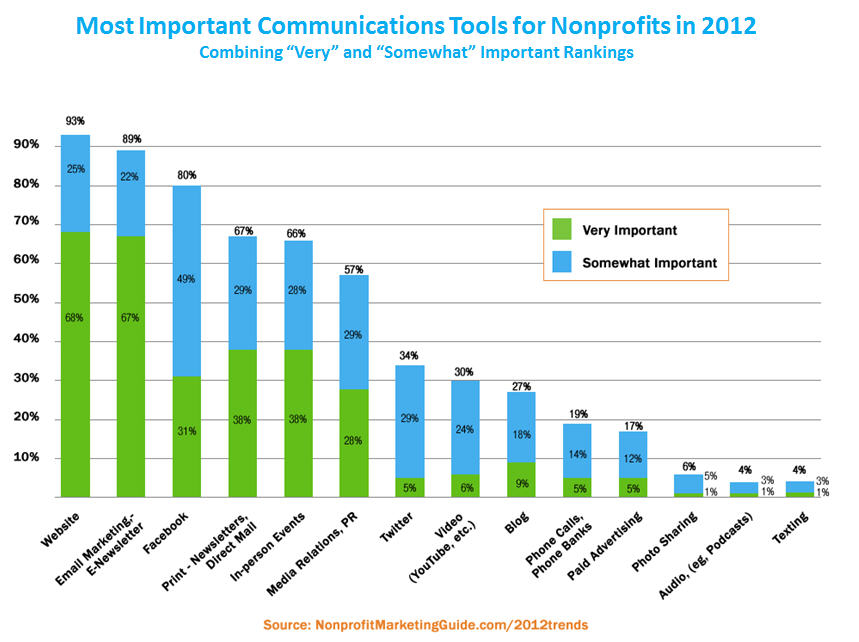
DSM Solutions is donating our expertise to assist in promoting the PCF. The goals of the PCF are to benefit youth organizations on the Paradise Ridge. We have completed our 2012 campaign, and are gearing up for 2013 in order to generate buzz, word of mouth, and increase attendance of the Fest. – http://www.chocolatefest.us – http://www.facebook.com/ParadiseChocolateFest When nonprofit organizations (NPOs) approach fundraising there are four basic steps or stages that need to be addressed – discovery, cultivation, solicitation and stewardship. While face to face connections and personal relationships play vital roles in each stage, social media can lend a helping hand. Using social media to complement each stage can free up time for development staff and help cast a larger net for donor prospecting.
Discovery
Finding donors is the first step in fundraising. You can’t solicit a gift if there’s nobody around to ask.
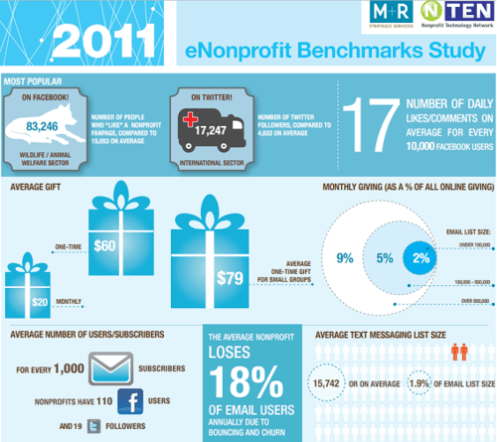
Social media for non profits
Some NPOs, like universities, have a built-in feeder system – alumni are an easy place to start. But most of us aren’t working for universities and trying to capture the attention and hearts of donors is hard work. Social media is the perfect way to get your organization noticed and help connect people to the cause. Create a video about what your NPO does and why someone should care. You can get a lot of traction when a video goes viral. For more info on using videos for exposure, read my last month’s post “Nonprofits and Social Media: The Power of Video Story Telling.” Post the most exciting news on programs and events on your website where it’s easy for people to find. Creating a blog to talk about what your NPO is doing each week or month is another way to attract a following. Nancy E. Schwartz talks about the nuts and bolts of blogs and how NPOs can benefit from them in the article “Should Your Nonprofit Launch a Blog?”
Cultivation So now that you’ve done some discovery and found key people that have interest in your cause, how do you get them to buy in? Cultivation! Making an ask too soon can be poison to a relationship. “To Ask or Not to Ask, That is the Question,” is a blog post from my personal website that discusses this topic in more detail. Before you can solicit a donor you have to make sure they have a link, an interest and the ability to give. The only way to do that is to cultivate. While this step relies heavily on one-on-one contact, there is still room for social media’s help. People want to feel connected and like they are a part of something before they contribute big gifts. They want to be “in the know.” NPOs can easily accomplish this by using social media sites to post updates, announcements, event information and any other tidbits on what makes your organization unique. Sites like Google+ and Facebook allow a conversation to unfold with comments and share capabilities, while Twitter allows people to re-tweet your posts to carry the message even further. Joining groups on LinkedIn also allows you to reach a more targeted audience that has built-in members. -Amy Stephan
Cultivation So now that you’ve done some discovery and found key people that have interest in your cause, 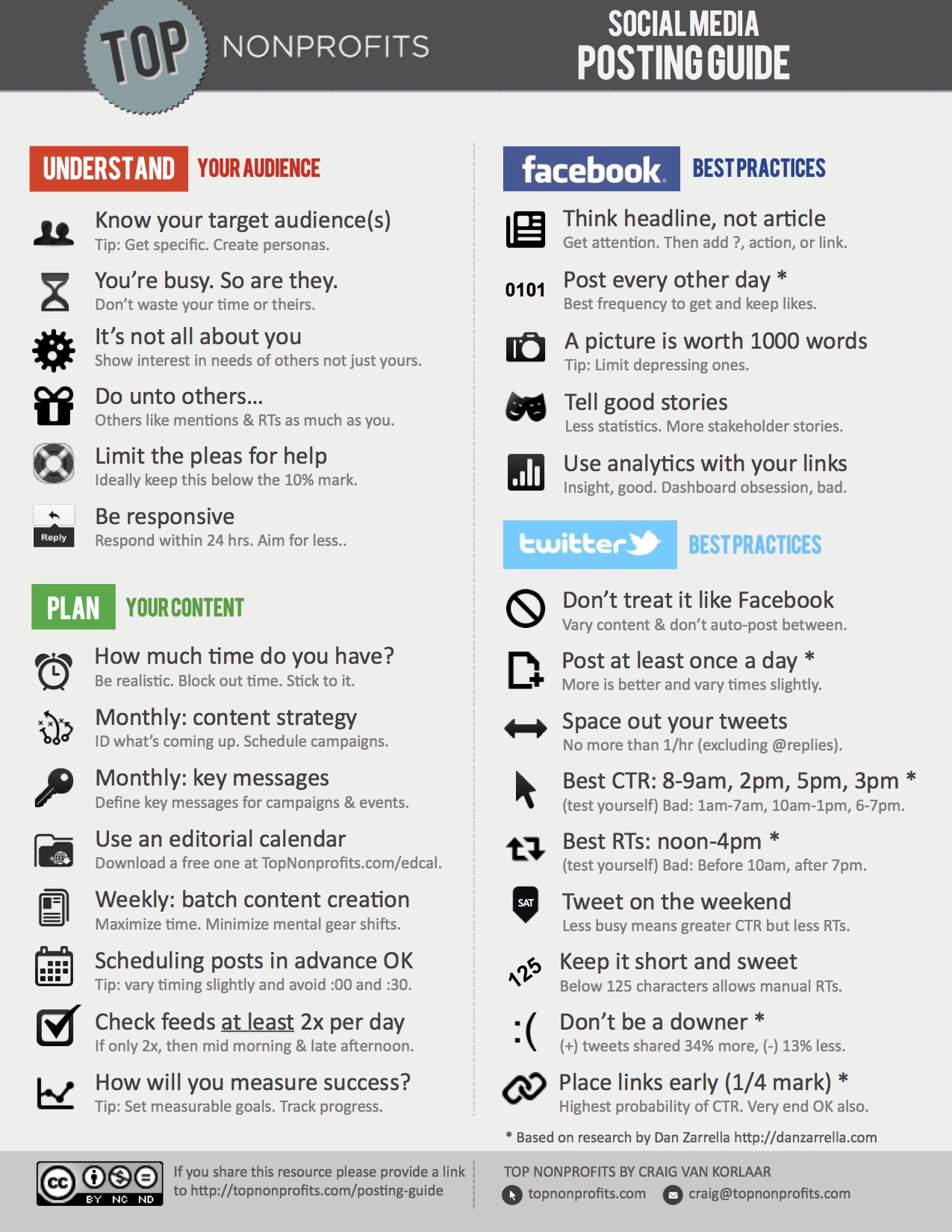 how do you get them to buy in? Cultivation! Making an ask too soon can be poison to a relationship. “To Ask or Not to Ask, That is the Question,” is a blog post from my personal website that discusses this topic in more detail. Before you can solicit a donor you have to make sure they have a link, an interest and the ability to give. The only way to do that is to cultivate. While this step relies heavily on one-on-one contact, there is still room for social media’s help. People want to feel connected and like they are a part of something before they contribute big gifts. They want to be “in the know.” NPOs can easily accomplish this by using social media sites to post updates, announcements, event information and any other tidbits on what makes your organization unique. Sites like Google+ and Facebook allow a conversation to unfold with comments and share capabilities, while Twitter allows people to re-tweet your posts to carry the message even further. Joining groups on LinkedIn also allows you to reach a more targeted audience that has built-in members.
Solicitation Before we start this section, let me be clear – you should never, ever, EVER make a personal solicitation in any way via social media. It’s just a bad idea. Online giving campaigns are one thing. Personal, major gift solicitations are a whole different thing. You can, however, use the news of success from your one-on-one solicitations to make other people want to give. Grant Space hosted a web chat in April 2011 about using social media to cultivate donors. One of the guests for that chat was John Haydon, founder of Inbound Zombie, a social media strategy firm in Cambridge, MA. In that chat he said, “Potential donors will be more likely to act if they see their friends doing the same…” (read the full chat here). He couldn’t be more right! People want to be part of things that are successful. Seeing others giving to your cause is a great way to highlight that your NPO is a success. When someone gives a generous donation to your NPO, ask them if you can publicize it. Use social media sites to post announcements and links to press releases that have run in the media about the contributions. Have the donor write a guest blog about why they chose to give such a generous gift to your organization. Use your successes to make people ask why they wouldn’t give to your organization!
Stewardship Once you have solicited and closed the gift, the most important step is stewardship. Stewardship goes far beyond saying thank you – although that is a HUGE first step! Stewardship means keeping donors informed, involved and important. Getting the gift shouldn’t be your NPO’s long term goal, it should be one mile marker along the way to a lifetime of giving and support. The thank you for a gift should come from you personally, but the steps beyond that can be integrated into social media. Posting information about how money you’ve raised is being used is a great thing, as well as telling stories of successes you’ve had meeting goals associated with your mission. Giving donors early access to information about events or breaking news with email lists or special sections of your website can make them feel important. Consistently posting new content to your blog or Facebook page will make donors feel informed. And organizing Twitter chats or hangouts on Google+ will make donors feel involved. Ask for input and then make sure you follow up on ideas and suggestions. Fundraising is a personal business built on relationships, without a doubt. But social media is a great tool to assist us nonprofits with those relationships and help us gain new ones, as well.
There are officially more people on Facebook than the entire population of America and 7%of the entire world is on Facebook. When you consider that Internet World Stats claims that there are currently 1,966,514,816 active Internet Users around the world (based on its most recent data), our percentage jumps to 25% of those users being active on Facebook!
If Facebook were a country it would beat out the United States as the 3rd largest country. Can your company afford to ignore this audience. We at Your Social Media Company think NOT!
“I have a facebook profile and now I can send out product updates and people will just get them.” That’s not really the way it works…
Think of your website as a destination. And in addition to search engines, Facebook is a tool to help your audience reach landing pages within your website. When used effectively, you can harness the power of personal connections to help promote your business and connect individuals with your brand’s Facebook Fan Page.
From a marketing and sales perspective, Facebook is a free and viable source for generating business leads, increasing customer satisfaction, and educating your audience about who you are and what you do. It helps reinforce your brand’s identity.
You’ve got Facebook fans! Now how do you turn them into paying customers? Mobilizing your friends and fans to action takes a strategy, especially since each social media platform has a nuanced and specific type of communication. Let us help you:
- Create meaningful ads
- Craft targeted messages
- Initiate participation from your audience
- Create campaigns
- Develop personal connections with your fans
Our team is dedicated to creating a social media strategy that supports your marketing goals and helps create a community around your brand.

Pros:Screaming fast internet Good phone service
Good value during the promotional period
Cons:Poor equipment
Frustrating customer service
Getting different “deals” from “Authorized Reps” that Comcast won’t honor;
The Bottom Line:Internet – good
Phone – good so far
TV – There are better choices out there. They have a poor reputation and they have earned it.
I have been “holding fire” on this review until I got all of the kinks worked out of my Comcast service, but that has taken so long, I decided that I could not wait any more. I believe that I am a patient and objective person, and I do not write negative reviews as a rule, but I cannot keep quiet any longer.
I recently (meaning 4 weeks ago) subscribed to the “triple play” bundle from Comcast in Albuquerque, NM. Prior to that, I had home phone and internet from at&t in Houston, TX and I had Dish Network for my TV provider (HD with DVR – one box servicing two rooms). I was paying about $85 for phone plus DSL internet and about $65 for TV per month. I liked the services, but the DSL was definitely too slow for things like streaming HD video (3 Mbs max).
So here is my assessment of the equivalent services that I have contracted by Comcast, which I will follow up with a chronology of events.
Pros: Screaming fast internet (20 Mb/s up and down – only promised 8 Mb/s) for a reasonable (promotional) cost
Good “landline” (VOIP) phone service
Good value on the “triple play” bundle during the initial promotional period (6 months to one year) ~ $115/mo
Mostly nice customer service individuals and service technicians who all have to work to satisfy customers who are, for the most part, mad at the way that they have been treated by Comcast.
Cons: 1) Exceptionally poor cable TV equipment (I am on my fourth cable/DVR box and not one of them has worked properly); 2) Extremely frustrating customer service business model (no local phone number, no “call back” if you get cut off, many automated menus to navigate to talk to a real person), highly variable expertise at the other end of the phone line; 3) Getting different “deals” from “Authorized Sales Reps” that Comcast wont honor; 3) Foisting equipment that is nearly 10 years old (Scientific Atlanta 8300 HDC DVR cable box) on unsuspecting clients; 4) Calling “local” numbers and immediately being routed to a Regional or National office out of state; 5) being sent defective cable TV box AND internet/phone modem, which I had to drive 30 min to the Comcast store to replace – several times; 6) calling customer service to activate my phone service (calling the number recommended in the documentation) and reaching someone who could only activate “cable” meaning cable TV.
I could go on and on with this list, but I am not sure that it would do any good.
My story with Comcast is as follows:
After moving to an outlying suburb of Albuquerque, I did a fair amount of research on what the options were for internet, voice, and TV providers, and I found that, at least for high speed internet, Comcast was, essentially, the only game in town. AT&T U-verse was not available, and any of the other available internet options were DSL, which I was trying to get away from. After doing more research, I called one of Comcast’s Authorized Sales Reps who quoted me on a “Double Play” bundled service of internet and phone. My plan was to get those services from Comcast and get TV via satellite, probably from Dish Network. After going over all of the details and numbers with the sales rep, I was passed on to Comcast for installation. It was at this point that I was told that the “bundle” I had been “sold” was not available in my area at the current time. I was passed off to a Comcast Sales rep who tried to sell me the “triple play” bundle, but she was so full of conflicting information that I hung up. The next day I called Comcast directly and was put through to their regional sales department, and was told that 1) there were no deals in my area for phone + internet and 2) the tv+phone+internet was a good deal. The numbers looked good, even though I knew that the TV service was not a good as Dish Network, so I decided to go with the full “triple play” from Comcast. From that point forward, I have gotten so much conflicting information, so much bad equipment, and so much run around, that I am truly regretting the experience.
I had the “self-install” kit to start with. The internet worked like a charm (even though they did not include the required special battery for the device – something I had to chase down myself), but the phone and TV would not “activate”. I went through the online insta-chat (as I had internet) and worked with someone who “promised” that the phone would be up and running in minutes after he got off of the chat session – needless to say, this did not happen. Eventually, I got the phone kinks worked out, after being passed to “level 2 support”, but the TV was another matter. The very nice woman working level 2 support determined that she could not fix the problem with the TV, so a local technician would have to be sent out.
(By the way, if you schedule an appointment with Comcast for them to arrive between 8 and 10 AM, expect to get a 7:00 AM pre-recorded wake-up call from Comcast. Also, even though the sales agent told you that you would not get charged for the “self install kit”, expect a $30 charge on your first bill for that item anyway)
The very nice, competent technician was able to determine that, despite the fact that I could get internet, phone, and standard definition TV over the cable, there was enough noise to mess up the HD signal getting to the 10-yr-old cable box that they had given me, and he would have to run a new line. Then he found out the box was bad anyway, and he gave me a “new” ten-year-old box with a defective DVR (only found out later). Comcast charged me $50 for that little problem.
Now, after 4 cable boxes, 2 service calls, 2 trips to the Albuquerque Comcast “office/store” thirty- minutes-drive away, and many, many hours on the phone with Comcast, I now have what they promised me to begin with. How many other people have had these problems? My guess is hundreds of thousands.
All I can say is that I was warned. Comcast has a terrible reputation, and now I know how they earned it.
Recommended: No
Amount Paid (US$): 115/mo